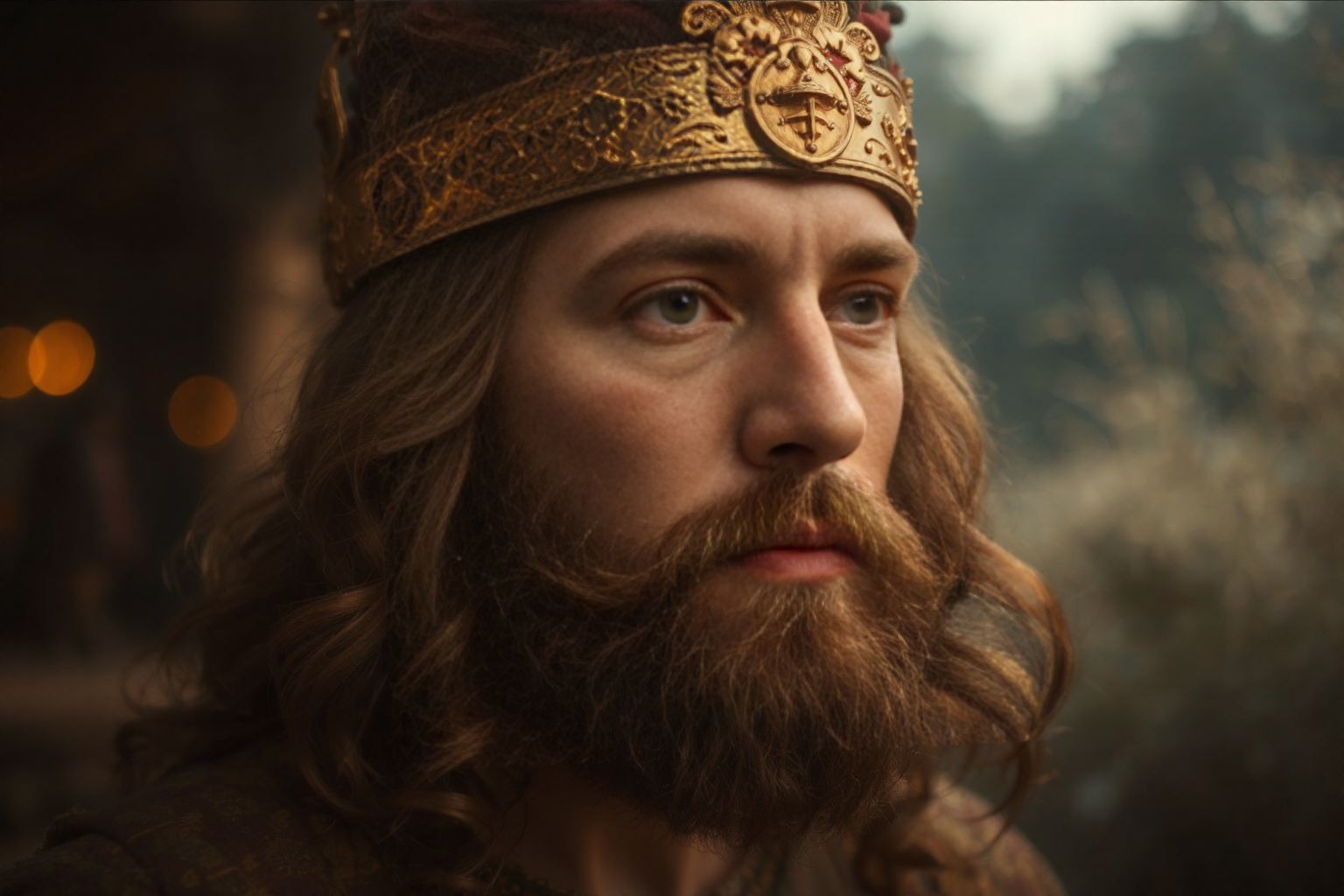
1. William I, also known as William the Conqueror, was born in Normandy, France, in 1027 and became King of England in 1066 after defeating King Harold Godwinson at the Battle of Hastings.
2. William is known for his French heritage, as he spoke both Norman-French and Old English. His victory at Hastings led to the Normans establishing a stronghold in England, which would have a lasting impact on the country’s culture and language.
3. As King of England, William implemented several significant reforms, including introducing the Domesday Book, a survey of England’s land and resources that provided vital information for taxation purposes. He also strengthened the royal bureaucracy by appointing officials known as sheriffs to oversee local affairs.
4. Despite his French origins, William was an ardent supporter of the Catholic Church. He built several monasteries and churches during his reign, including the famed Abbey of St. Stephen at Caen in Normandy.
5. William the Conqueror died on September 9, 1087, at the age of 60, and was succeeded by his son, William II Rufus. His legacy continues to be felt in modern England, from the language and culture he introduced to his impact on the country’s political structure and legal system.
Text model: silicon-masha
Image model: MoxieFlux1DS

The Neural Navigator is a creative mind behind the lens of AI-generated images.
The Neural Navigator is always pushing the limits of what’s possible in this exciting new frontier of digital creativity. Whether it’s surreal landscapes, abstract patterns, or striking portraits, each image is a testament to the endless potential of AI-driven art.
Follow The Neural Navigator for a daily dose of innovative and visually stunning AI-generated imagery.
