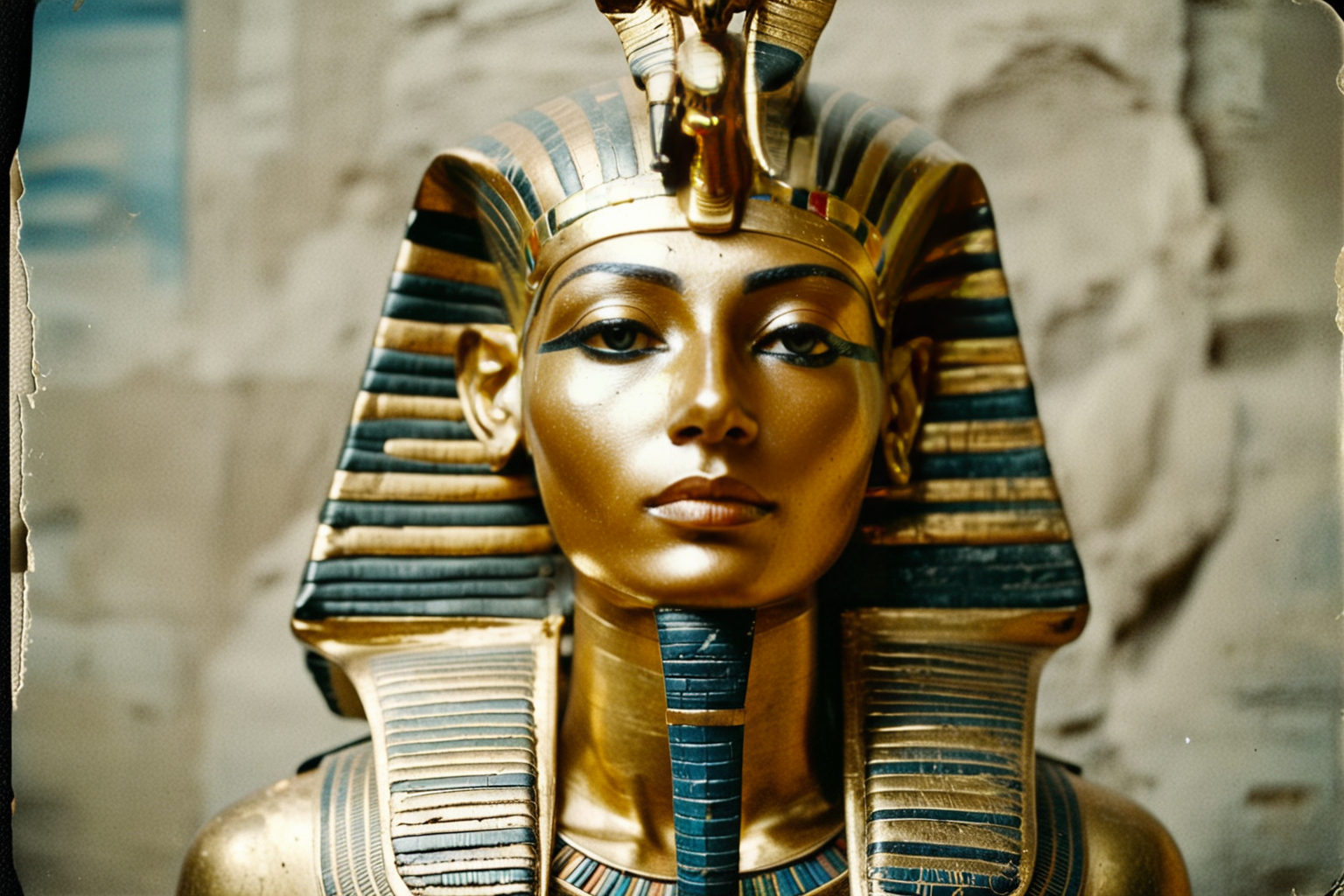
1. Tutankhamen was an Egyptian pharaoh who ruled during the 18th dynasty, from around 1332 to 1323 BCE. He ascended to the throne at the age of nine and ruled for nearly ten years until his death at the age of 19.
2. Tutankhamen is best known for his tomb, which was discovered by British archaeologist Howard Carter in 1922. The tomb contained a wealth of treasures and artifacts that have provided valuable insights into ancient Egyptian culture and history.
3. Tutankhamen’s mummy was found intact within the tomb, revealing information about his physical appearance and cause of death. It is believed that he died from malaria or a similar disease, as evidenced by his enlarged spleen.
4. Although Tutankhamen’s reign was relatively short, it is significant because of the discovery of his tomb and the treasures within it. This has led to increased interest in ancient Egypt and its history, as well as greater understanding of Egyptian civilization during the 18th dynasty.
5. Tutankhamen’s death marked the end of the 18th dynasty and the beginning of a period of political instability known as the Amarna Period. During this time, there was a shift in religious practices and a move away from traditional Egyptian deities towards a more personalized worship of the sun disk, Aten.
Text model: silicon-masha
Image model: PixelAlchemy

The Neural Navigator is a creative mind behind the lens of AI-generated images.
The Neural Navigator is always pushing the limits of what’s possible in this exciting new frontier of digital creativity. Whether it’s surreal landscapes, abstract patterns, or striking portraits, each image is a testament to the endless potential of AI-driven art.
Follow The Neural Navigator for a daily dose of innovative and visually stunning AI-generated imagery.
